
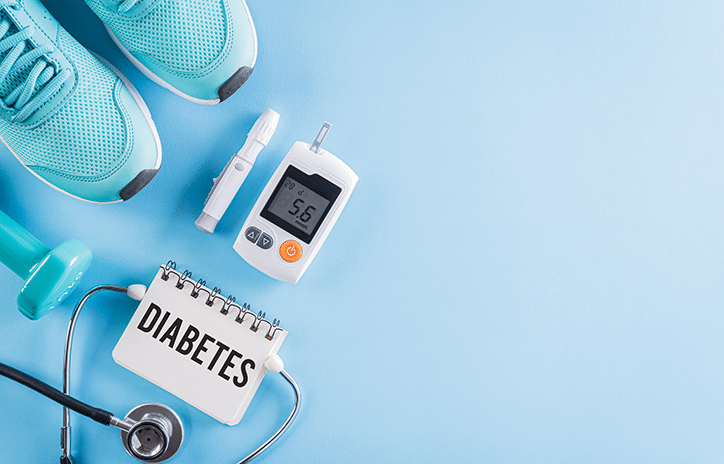
Diabetes is a chronic disease in which the body cannot properly use or store glucose. Glucose is a type of sugar that, when accumulated in the blood, causes an increase in blood sugar levels. Diabetes occurs when the pancreas can no longer produce insulin or when the body cannot effectively use the insulin it produces.
As mentioned above, diabetes is a chronic disease that requires continuous management. To control diabetes, attention should be paid to the following points:
- Healthy Diet: Craving for foods high in sugar and fats can increase blood glucose levels. To control diabetes, it is essential to follow a healthy diet that includes consuming high-fiber foods, limiting sugar and fats intake, and eating meals at specific times.
- Exercise and Physical Activity: Exercise and physical activity help reduce blood glucose levels and are crucial in diabetes management. Diabetics are recommended to engage in at least 30 minutes of physical activity per day.
- Diabetes Medication: In most cases, diabetic patients need to take specific medications to control their blood glucose levels. Additionally, some patients may require insulin injections.
- Regular Blood Glucose Monitoring: Continuous monitoring of blood glucose levels helps detect any changes early. This measurement helps patients adjust their medications accurately and improve their diet and physical activity.
- Skin Care: Diabetic patients are susceptible to skin infections. To prevent skin infections, it is important to:
- Maintain skin hygiene regularly.
- Prevent cracking and dryness of the skin.
- Consultation for Infection Symptoms: In case of skin infection symptoms such as redness, swelling, pain, and ulcers, prompt consultation with a doctor is necessary for treatment.
- Foot Examination: Diabetic patients are prone to foot ulcers and inflammation due to reduced blood flow in this area. To prevent these problems, regular foot examinations are necessary, and if signs of infection or ulcers are present, prompt consultation with a healthcare provider is essential.
- Regular Check-ups for Diabetes Complications: Some diabetic patients experience various side effects such as reduced vision, bone fractures, kidney diseases, etc. To prevent these complications, regular check-ups by a healthcare professional are necessary.
In conclusion, to control diabetes, attention to the above points is crucial, and if necessary, collaboration with physicians and relevant specialists is recommended. Adhering to these measures improves the quality of life for diabetic patients and reduces the side effects of the disease.