
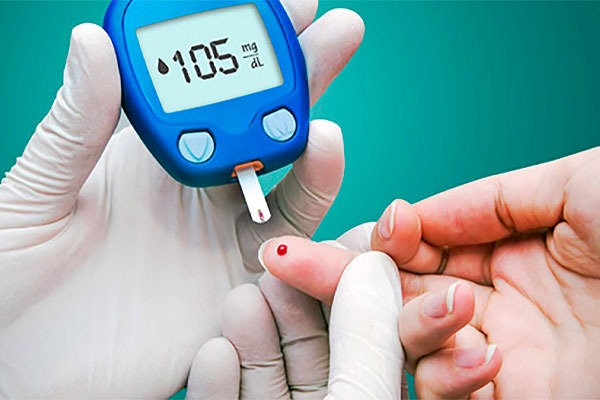
Diabetes, also known as diabetes mellitus or sugar diabetes, is a metabolic disorder resulting from the body’s inability to produce or respond effectively to insulin, leading to elevated levels of glucose in the blood. A portion of this excess glucose is excreted in the urine, but most remains in the blood, causing damage to various tissues and organs such as the retina of the eye, kidneys, skin, and blood vessels. Today, these complications are managed through insulin injections or oral glucose-lowering medications.
In individuals with diabetes, the metabolic process of converting dietary sugars into energy is impaired, relying heavily on insulin for proper function. Insulin, produced in specialized cells within the pancreas known as the islets of Langerhans, facilitates the uptake of glucose into cells throughout the body, particularly muscle, liver, and fat cells.
Glucose is stored in muscles and the liver as glycogen molecules and converted into fatty acids in fat tissue. Insulin plays a crucial role in these processes. In diabetes, either insufficient insulin is released from the pancreas or the body’s cells, especially fat and muscle cells, do not respond adequately to insulin.
As a result, glucose molecules accumulate in the bloodstream instead of being utilized by tissues, causing damage to various body tissues.
Types of Diabetes:
- Type 1 Diabetes: An autoimmune disease where the immune system attacks the insulin-producing beta cells in the pancreas (islets of Langerhans). As a result, the pancreas produces little or no insulin, requiring daily insulin injections for survival. The exact cause of this immune response is not fully understood, but genetic and environmental factors, such as viruses, are believed to play a role. Approximately 5-10% of diagnosed diabetes cases in the United States are type 1 diabetes, often diagnosed in children and young adults.
- Type 2 Diabetes: The most common form, accounting for 90-95% of diabetes cases, characterized by insulin resistance and relative insulin deficiency. Initially, the pancreas produces enough insulin, but over time, the ability to produce sufficient insulin declines. Type 2 diabetes is strongly associated with genetic predisposition and lifestyle factors, particularly obesity. Symptoms may develop gradually, and many individuals may not be aware of their condition for years. Management includes lifestyle modifications, oral medications, and eventually, insulin therapy if needed.
- Gestational Diabetes: Develops during pregnancy and usually disappears after childbirth. It increases the risk of complications for both the mother and the baby, including macrosomia (large birth weight) and hypoglycemia in the newborn. Women who have had gestational diabetes have a higher risk of developing type 2 diabetes later in life.
- Other Types: Includes specific genetic forms of diabetes, such as maturity-onset diabetes of the young (MODY), and other rare forms like neonatal diabetes.
Risk Factors for Diabetes:
- Sedentary lifestyle
- Family history of diabetes
- Previous history of gestational diabetes or giving birth to a baby weighing over 9 pounds
- Hypertension
- Polycystic ovary syndrome (PCOS) in women
- Elevated hemoglobin A1C or impaired glucose tolerance in previous blood tests
- Obesity and high blood cholesterol levels
- Age over 45 years
The prevalence of diabetes has increased significantly worldwide, driven by factors such as urbanization, sedentary lifestyles, and poor dietary habits. Effective management and early diagnosis are crucial in preventing or delaying complications associated with diabetes, emphasizing the importance of regular medical check-ups and lifestyle adjustments.